
A simple, regular routine can help leather shoes stay cleaner and make it easier to notice wear before it becomes a bigger problem. The right method depends on the shoe’s leather, finish, and construction, so begin with the care information supplied for your particular pair. This guide covers gentle habits for many smooth leather shoes and explains when to pause and check the maker’s instructions.
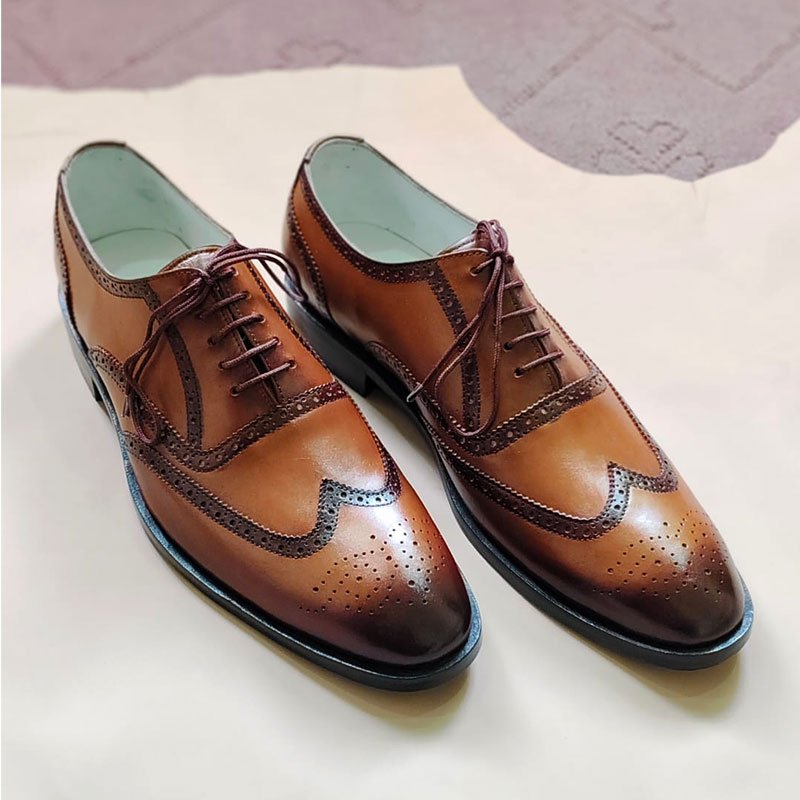
Know what kind of leather finish you have
Before reaching for a cleaner or polish, check the product page, labels, and any care card that came with the shoes. Smooth finished leather, suede, nubuck, patent, coated leather, and textured or embossed finishes can react differently to water and care products. A cream suitable for one pair may darken, mark, or dull another. When the finish is unclear, ask the shop or maker before applying a new treatment.
Do not assume that two shoes described simply as “leather” need identical care. Check the specific model’s description and pay attention to surface texture and shine. For a specialty finish, follow the maker’s directions rather than trying a general home remedy. Avoid applying oils, household cleaners, or unlabelled products because they can leave stains or change the feel of the leather.
After each wear: brush away dust
Let the shoes air briefly after wearing them. Use a clean, soft shoe brush or cloth to lift away loose dust and surface dirt. Work gently, including around seams and decorative details, and avoid grinding grit into the leather. A quick brush is often enough after an ordinary day and can keep dust from building up.
If dirt is stuck to the surface, do not scrape it with a sharp object. Start with the gentlest method recommended for the finish. For smooth finished leather, a slightly damp cloth may be appropriate, but use very little water and follow the manufacturer’s advice. Do not soak the shoe or scrub aggressively. If a mark does not lift easily, stop and ask the maker or a leather-care professional.
Let damp shoes dry slowly
If your shoes get wet, blot surface moisture with a clean absorbent cloth. Let them dry at room temperature in a place with airflow. Keep them away from radiators, hair dryers, heaters, and prolonged direct sunlight. Strong heat can dry leather unevenly and may affect its shape or finish.
If the inside is damp, remove the insoles only if the shoe’s design allows it. You can loosely fill the shoes with plain, unprinted paper to help absorb moisture, changing it as it becomes wet. Do not force paper tightly into the toe. Wait until the shoes are fully dry before wearing, polishing, or storing them. Drying time varies with the amount of moisture and room conditions.
Clean carefully when a brush is not enough
For a deeper clean, choose a product specifically intended for the shoe’s finish and read its label before use. Test it on a small, less visible area first and let that spot dry so you can check for a change in color or sheen. Apply only as directed, using a clean soft cloth. Work patiently instead of saturating the leather or trying to remove a mark in one forceful pass.
Suede and nubuck generally need their own brush and care products; routine creams for smooth leather may flatten the nap or stain the surface. Patent and coated finishes also have different needs. Embossed, metallic, or otherwise distinctive surfaces can be especially sensitive to unsuitable products. When you are not sure what a shoe is made from, use the product description and ask before cleaning.
Condition and polish only when suitable
Some smooth finished leathers benefit from an occasional conditioner or polish, but the right product and frequency depend on the finish and how often the shoes are worn. More product is not automatically better. Follow the care product’s directions and the shoe maker’s guidance, apply sparingly, and allow the shoes to dry between steps. Use a separate clean cloth or brush for each color to reduce color transfer.
Polish is often chosen to refresh the appearance of compatible smooth leather, but it may not be suitable for every finish. Match the shade carefully or use a clear product only when its label says it is appropriate. If the shoe has contrast panels, woven sections, suede, or unusual surface details, protect those areas and check with the maker first. A professional shoe-care service can help with valuable or difficult-to-treat pairs.
Give shoes time to rest between wears
Leather shoes can collect warmth and moisture during the day. Let a pair rest and air before wearing it again. If you wear shoes frequently, alternating between pairs gives each one more time to dry. This simple habit is useful even when the shoes do not look dirty.
Shoe trees can help support a shoe’s shape while it rests. Choose a suitable size and insert them gently; they should not stretch the shoe or place pressure on the upper. Follow any model-specific advice, especially for soft or unusual constructions. A clean shoe bag can protect shoes from dust when they are stored, while allowing them to dry fully first.
Store leather shoes in a dry, shaded place
Choose a cool, dry storage area away from damp floors, direct sunlight, and heat sources. Avoid leaving leather shoes in a closed, humid space for long periods. If shoes are stored in a box, make sure they are clean and completely dry first. Keeping pairs apart can help prevent scuffs and color transfer. Do not stack heavy items on top of footwear.
For travel, pack shoes in a bag or wrap them to reduce scratches and keep the soles away from clothing. If a pair gets damp during a trip, let it dry before sealing it away for an extended period. A little care during storage can help maintain the shoe’s appearance between seasons.
Care habits that can cause problems
- Do not dry shoes beside a heater or with a hair dryer.
- Do not apply household detergents, bleach, or unlabelled oils.
- Do not use the same brush or cloth across different colors without cleaning it.
- Do not treat suede, nubuck, patent, or coated finishes like smooth leather.
- Do not use a product across the whole shoe before testing a small area.
- Do not scrub hard when a mark resists gentle cleaning.
A simple routine to follow
- After wearing, let the shoes air and brush off loose dust.
- If they are damp, blot them and let them dry slowly away from heat.
- Check the care directions before using a cleaner or conditioner.
- Test an unfamiliar product on a hidden area and use it sparingly.
- Store the dry shoes in a shaded place with room for airflow.
Keeping to a gentle routine is more useful than treating shoes with many products. If the pair has a specialty finish or a stain that will not lift, seek model-specific advice instead of experimenting.
Frequently asked questions
How often should I clean leather shoes?
Brush off visible dust after wear and clean more thoroughly when the shoes need it. Conditioning and polishing frequency varies by leather, product guidance, climate, and use, so avoid a fixed schedule that ignores the maker’s advice.
Can I use water to clean leather shoes?
Care depends on the finish. For some smooth finished leathers, a lightly damp cloth may be suitable, but avoid soaking the shoe and follow the product instructions. Test first and ask about specialty finishes.
Can I use the same cream on every leather shoe?
No. Products are made for different surfaces. Check the shoe’s care information, confirm the cream is suitable for its finish, and test it in a discreet spot before wider use.
What should I do if leather shoes get soaked?
Blot moisture, let the shoes dry slowly at room temperature, and keep them away from direct heat. Use plain paper loosely if needed to absorb moisture, and wait until they are fully dry before wearing them again.
For a particular pair, check its product information or contact the shop with the model name and your care question. Browse the men’s leather shoes or men’s leather boots collections to compare styles. If you are choosing a slip-on pair, our guide to Italian leather slip-on shoes covers fit, style, and product details.


